
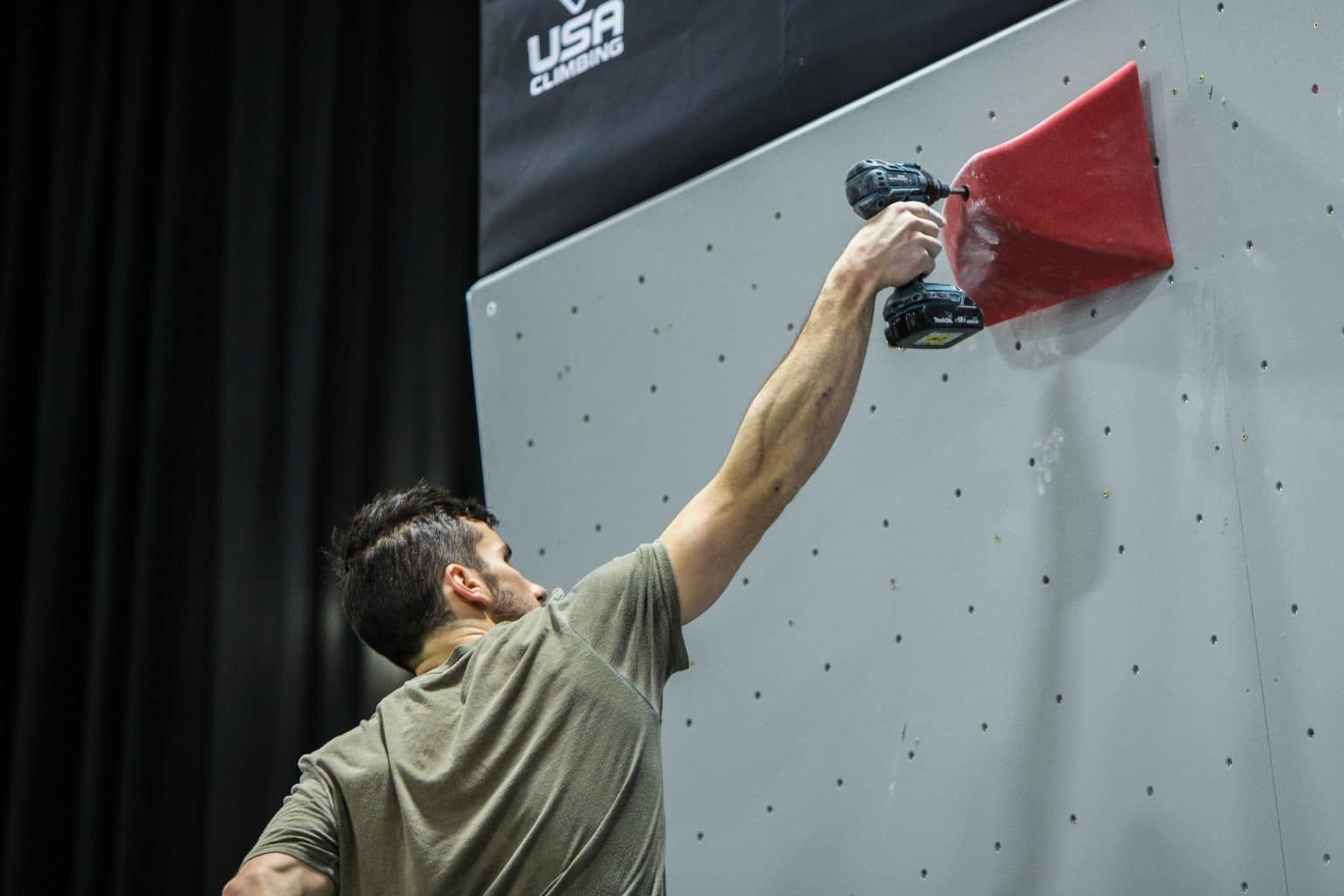
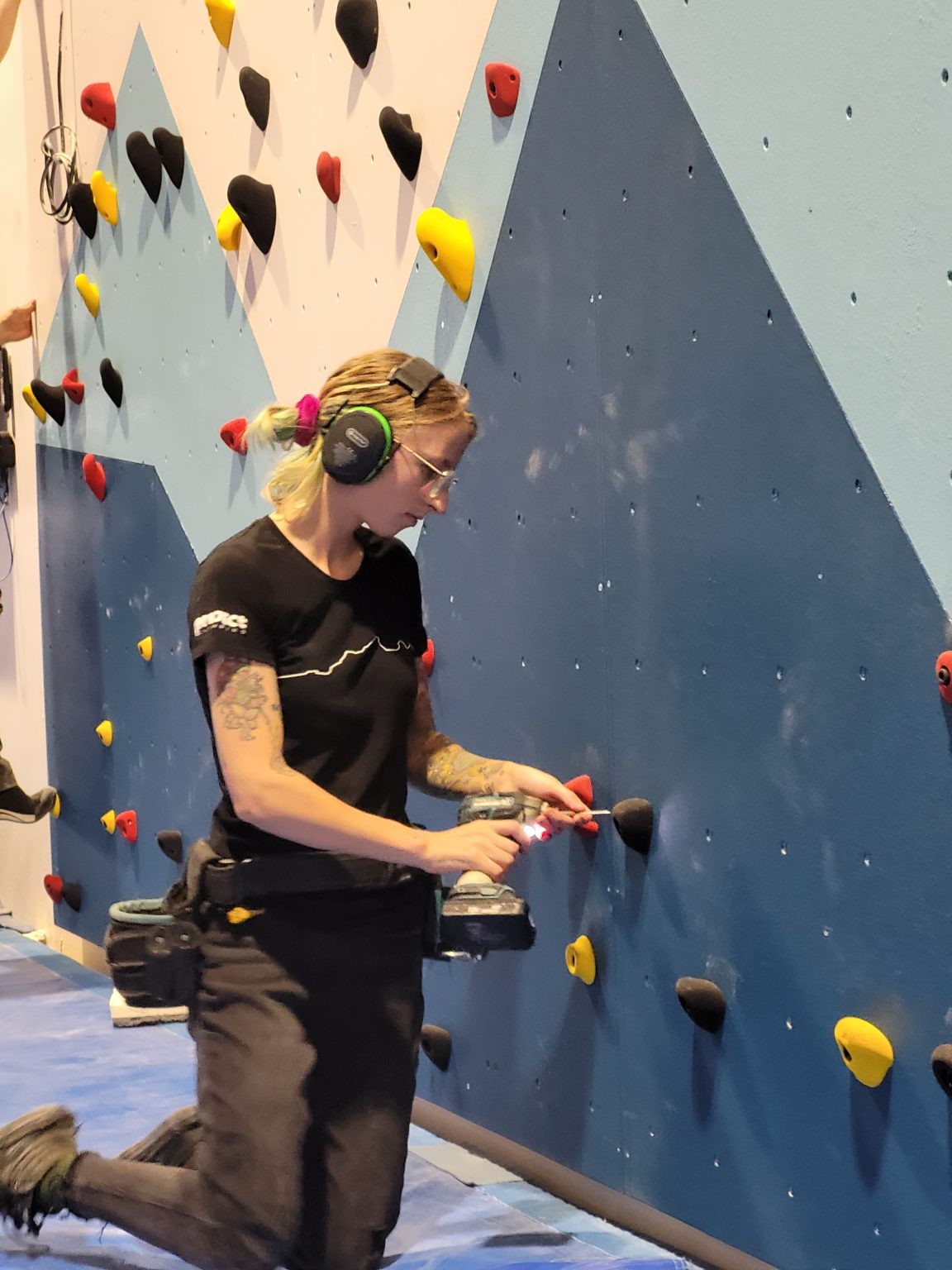
Route setter drilling a hold into a competition bouldering wall
Route setting

The art of route setting

Every boulder and route on a climbing wall was designed by someone. Route setting is the craft of turning a blank wall into movement people want to try, and climbs they come back for.
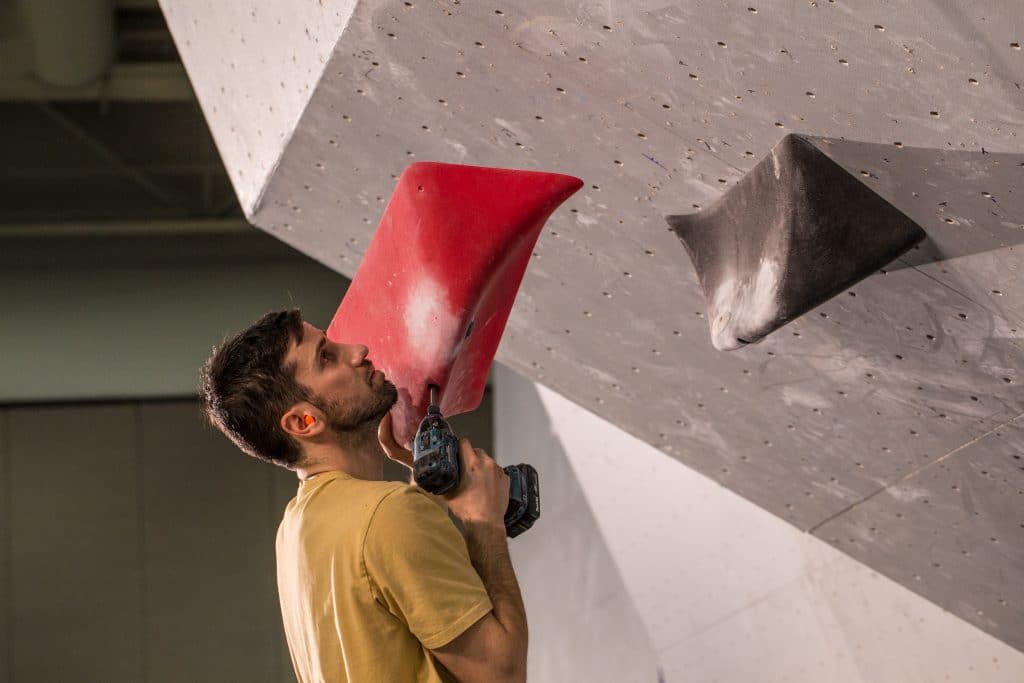
Route setter fixing a red macro on a competition wall
What it is

More than putting holds on a wall

A route setter decides how you'll move before you touch the wall: which holds, where, at what angle and on which volume. How far apart they sit, where the crux lands, where you get a rest and where your feet have to trust a little more than you'd like.

Then we climb it, change it and climb it again, with people of different heights, strengths and styles, until the movement flows and the grade is honest. A good set looks effortless on opening day because the work happened before anyone saw it.
The craft

Movement, aesthetics and pull

Three things separate a climb you forget from one you talk about for weeks.

Movement

A question asked of your body

The heart of setting. A great problem asks for a shift of weight, a turn of the hips, a moment where you have to commit. We set for flow, for tension and for the move that only goes when you trust it.

Aesthetics

Climbs you want to look at

Climbers read a wall with their eyes first. Clean lines, colours that work together, holds that belong on the same climb and volumes that frame a feature. A beautiful set draws people in before they have chalked up.

Attraction

The pull to try again

The best climbs have a pull. You walk past, look up and want to try. You fall off and want to try again. That feeling is designed, and it is what keeps a wall busy and a community coming back.

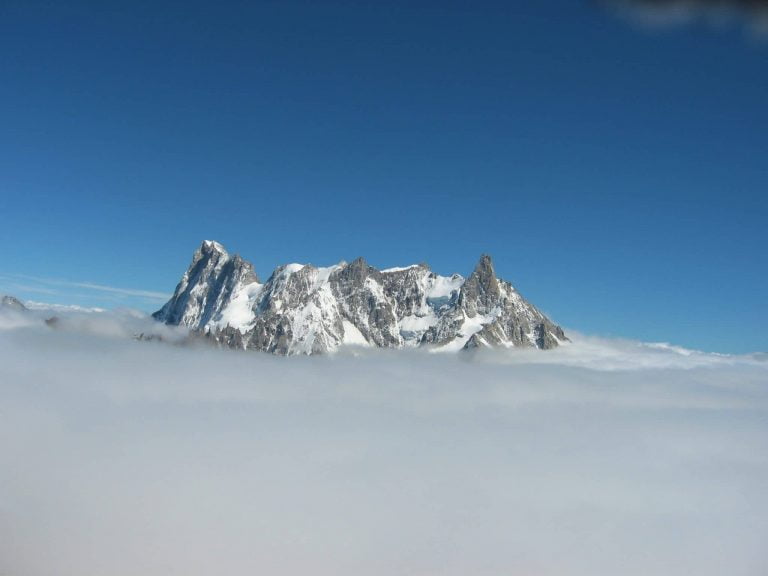
Snow-capped mountain peaks rising above the clouds
Why we climb

The same pull that draws people to rock and mountains

Nobody climbs a mountain because it's easy. People climb for the line that catches the eye, the puzzle of finding a way up, the focus that shuts everything else out, and the quiet satisfaction of a move that finally goes.

Outside, nature draws the line. Inside, someone has to create it. Route setting is how a climbing wall gives climbers that same connection: something to read, something to solve and something worth committing to.
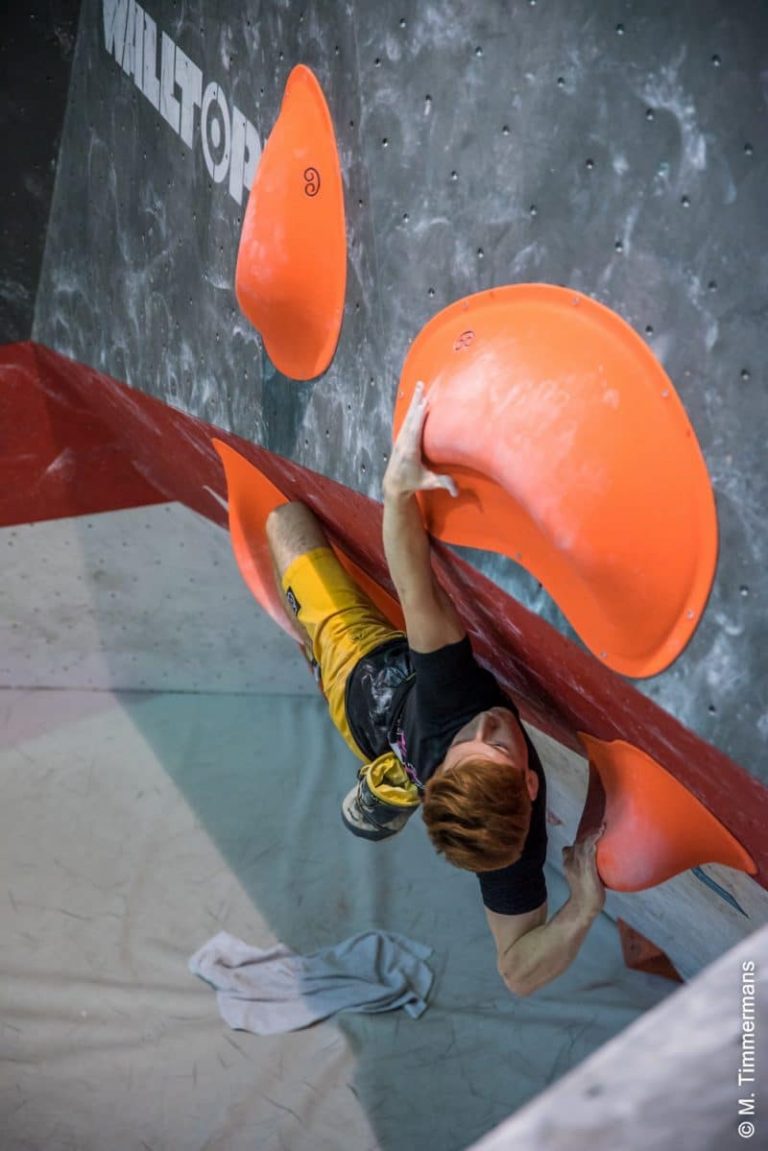
Climber reaching for an orange macro on a steep competition wall
A rare skill

Few people can do it well

Setting asks for an unusual mix of skills. You need to climb well across a wide range of grades and understand how bodies very different from yours will move. You need a designer's eye, a coach's sense of progression and an engineer's respect for forces, fall zones and fixings. And you need to do it at height, on a deadline, while a gym waits to reopen.

It takes years of setting and climbing to read a wall like this. That's why experienced setters are hard to find, and competition-level setters are rarer still.

  • Strong climbing across the grade range
  • Reading movement for every height and style
  • Fair, consistent grading
  • Safe hold placement, fall zones and fixings
  • Working from ropes, ladders and boom lifts
How we set

From blank wall to opening day

Every set follows the same process, whether it's a home woodie or a national final.

  1. Read the wall

    We look at the angles and features, who climbs here and what the last set was missing.

  2. Plan the set

    A spread of grades and styles, colours that read clearly, and the right holds and volumes for each line.

  3. Set, test, tweak

    One move at a time. Then every climb is forerun and adjusted until the movement flows and the grade is right.

  4. Finish safe

    A final check of every hold and fixing, grades and tags on, and a clean wall ready for the first climber.

Route setter fitting holds on a climbing wall
Our expertise

Set by people who live it

Our team is led by one of the country's most senior route setters, a National Head Route Setter, and sets state and national competitions as well as commercial gyms, schools, community walls and home boards.

We set every grade and style, from first-timer jugs to 30+/V10+, at any height. And because we also build climbing walls, inspect them to AS 2316 and supply holds from more than 25 of the world's best brands, we understand the whole wall, not just the holds on it.

Questions

Route setting FAQ

What does a route setter do?

A route setter designs and builds the climbs on an indoor wall. That means choosing holds and volumes, placing and orienting them, testing the movement, adjusting until the grade is right, and checking that every hold and fixing is safe.

Why does good route setting matter?

Fresh, well-set climbs are what keep climbers coming back. Good setting gives everyone something to try at their level, teaches better movement and keeps the wall safe, because worn holds and loose fixings get found at every reset.

Get in touch

Bring your wall to life

Tell us about your wall, how often you reset and what your climbers need, and we'll put together a setting plan.

Item added to cart.
0 items - $0.00